

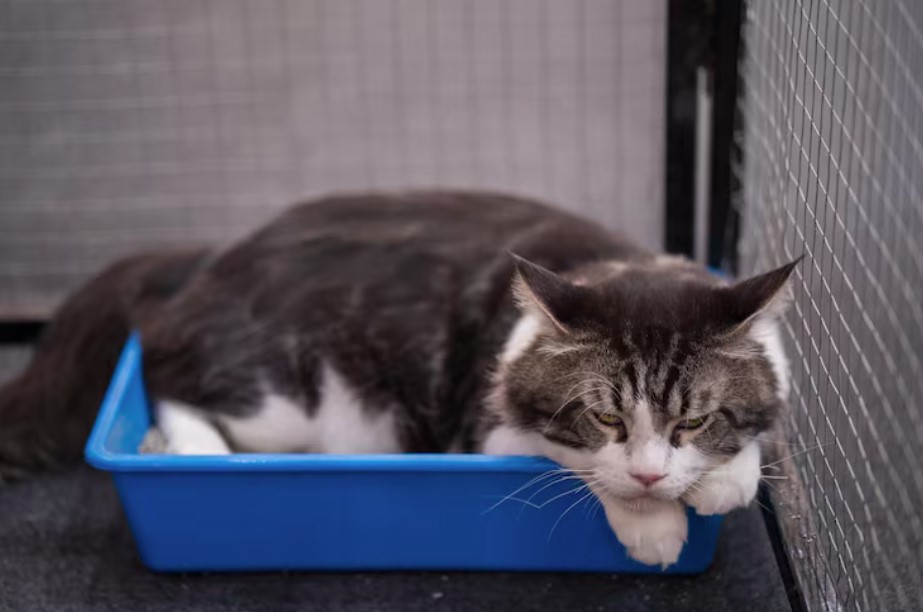
If there’s one thing every cat owner quickly learns, it’s this: the location of your cat litter box matters just as much as the box itself. Even the highest-quality setup can fail if it’s placed in the wrong spot. Cats are naturally clean, sensitive creatures, and their bathroom habits are heavily influenced by comfort, privacy, and safety.
In the United States, where homes range from compact apartments to large multi-story houses, finding the right placement can make a huge difference—not just for your cat’s health, but also for maintaining a fresh, odor-free home.
In this guide, we’ll break down expert-backed tips to help you choose the perfect litter box location, avoid common mistakes, and create a stress-free environment for your feline friend.
Why Litter Box Placement Is So Important
Cats rely on instinct. In the wild, they choose bathroom spots that are safe, quiet, and away from their eating area. When we bring them into our homes, those instincts don’t disappear.
Poor placement can lead to:
-
Accidents outside the box
-
Stress-related behaviors
-
Territorial issues (especially in homes with more than one cat)
-
Odor problems for owners
On the other hand, proper placement encourages consistent use, reduces mess, and keeps your home cleaner.
1. Choose a Quiet and Low-Traffic Area
Cats prefer privacy when they do their business. Placing the litter box in a busy hallway or near a constantly used space can make them feel vulnerable.
Best locations include:
-
A quiet corner of a room
-
A low-traffic laundry area
-
A spare bathroom
-
A calm section of a bedroom
Avoid placing the box near loud appliances like washing machines or dryers. Sudden noises can startle your cat and make them associate the litter box with fear.
2. Keep It Away from Food and Water
Just like humans, cats don’t want to eat where they eliminate waste. This is a natural instinct to avoid contamination.
Make sure to:
-
Place the litter box far from feeding areas
-
Avoid kitchens or dining spaces
-
Maintain a clear separation between food bowls and litter zones
This simple change can significantly improve your cat’s willingness to use the box regularly.
3. Ensure Easy Accessibility
Your cat should be able to reach the litter box quickly and easily at all times.
For Kittens and Senior Cats:
-
Avoid stairs or hard-to-reach locations
-
Use low-entry boxes for easier access
For Multi-Level Homes:
-
Place at least one litter box on each floor
-
Prevent situations where a cat has to travel too far
Accessibility is especially critical in homes with older cats or those with mobility issues.
4. Follow the “One Per Cat + One” Rule
If you have multiple cats, sharing one litter box can lead to territorial disputes and hygiene problems.
Experts recommend:
-
One litter box per cat, plus one extra
For example:
-
2 cats = 3 boxes
-
3 cats = 4 boxes
This rule is especially important when managing multi cat litter setups, as it reduces competition and stress among pets.
5. Avoid Hidden or Confined Spaces
While it may seem convenient to hide the litter box in a cabinet or closet, overly enclosed spaces can trap odors and make cats uncomfortable.
Avoid:
-
Sealed cabinets with poor ventilation
-
Tight closets
-
Small enclosed furniture units
Cats need to feel they can escape quickly if needed. A confined space can make them anxious, especially in homes with other pets or children.
6. Maintain Good Ventilation
Proper airflow is essential for both your cat and your home environment.
Well-ventilated areas:
-
Reduce odor buildup
-
Keep the litter dry and fresh
-
Improve hygiene
Ideal spots include:
-
Near a window (but not too exposed)
-
Open corners with natural airflow
Avoid damp areas like basements unless they are well-ventilated and regularly cleaned.
7. Keep the Location Consistent
Cats thrive on routine. Once they get used to a particular location, moving the litter box can confuse or stress them.
If you must change the location:
-
Do it gradually
-
Move the box a few inches per day
-
Allow your cat time to adjust
Sudden changes can lead to accidents or refusal to use the box.
8. Consider Privacy Without Isolation
Cats want privacy—but not isolation. There’s a fine balance.
Good placement:
-
Quiet but still part of the home
-
Away from heavy activity, but not completely hidden
Bad placement:
-
Completely isolated areas like garages or basements
-
Spaces where your cat feels trapped
The goal is to make your cat feel safe, not cut off.
9. Avoid High Shelves or Elevated Areas
Some cat owners try to keep litter boxes out of sight by placing them on shelves or elevated surfaces. This is not recommended.
Cats prefer:
-
Ground-level access
-
Stable, easy-to-reach surfaces
Elevated placements can be risky, especially for older cats or those with joint issues.
10. Choose the Right Environment for Odor Control
Even the best litter box for cats won’t help much if it’s placed in a poorly chosen environment.
To manage odor effectively:
-
Avoid placing the box near air vents that spread smells
-
Keep it away from carpets or fabric-heavy areas
-
Use easy-to-clean flooring like tile or laminate
Strategic placement can reduce odor issues without relying heavily on deodorizers.
11. Pay Attention to Household Dynamics
Your home environment plays a big role in litter box success.
If You Have Dogs:
-
Keep the litter box in a dog-free zone
-
Use baby gates if necessary
If You Have Children:
-
Place the box in a spot that’s not easily accessible to kids
-
Maintain hygiene and safety
Cats need a stress-free space, and minimizing disturbances is key.
12. Observe Your Cat’s Behavior
Your cat will often tell you if something is wrong with the litter box placement.
Watch for signs like:
-
Avoiding the box
-
Eliminating in corners or hidden areas
-
Hesitation before entering
These behaviors often indicate discomfort with the location rather than the litter itself.
Common Mistakes to Avoid
Even experienced cat owners can make placement mistakes. Here are some of the most common ones:
-
Placing the litter box next to loud appliances
-
Keeping all boxes in one location in multi-cat homes
-
Hiding the box too well
-
Changing locations too frequently
-
Ignoring signs of discomfort from your cat
Avoiding these mistakes can save you a lot of frustration and cleanup.
Creating the Perfect Setup
To summarize, an ideal litter box setup should be:
-
Quiet and private
-
Easily accessible
-
Well-ventilated
-
Away from food areas
-
Safe from disturbances
Combining these factors ensures your cat feels comfortable and maintains good hygiene habits.
Final Thoughts
Litter box placement is one of the most overlooked aspects of cat care, yet it plays a critical role in your pet’s comfort and behavior. By choosing the right location, you not only improve your cat’s quality of life but also maintain a cleaner and more pleasant home environment.
Whether you’re setting up your first cat litter box or optimizing a space for multiple cats, these practical tips can help you create a setup that works for both you and your furry companions.
A little attention to placement today can prevent big problems tomorrow—so take the time to get it right.
FAQs
1. Where is the best place to put a cat litter box in a small apartment?
The best place is a quiet corner away from the kitchen and main living area. Bathrooms or low-traffic corners work well, as long as they are easily accessible and well-ventilated.
2. How many litter boxes do I need for multiple cats?
You should follow the rule of one box per cat plus one extra. This helps reduce territorial issues and supports proper hygiene in multi cat litter environments.
3. Can I move the litter box to a new location?
Yes, but it should be done gradually. Move it slowly over a few days to avoid confusing your cat and causing accidents.
4. What should I avoid when placing a litter box?
Avoid noisy areas, tight enclosed spaces, and locations near food bowls. These can make your cat uncomfortable and lead to improper usage.
5. Does the type of litter box affect placement?
Yes. Even the best litter box for cats needs proper placement to work effectively. A high-quality box won’t solve issues caused by poor location.